Gatta
Gatta
Gatta
Gatta
Gatta
Gatta
Gatta
Gatta
Gatta
Gatta

Gatta

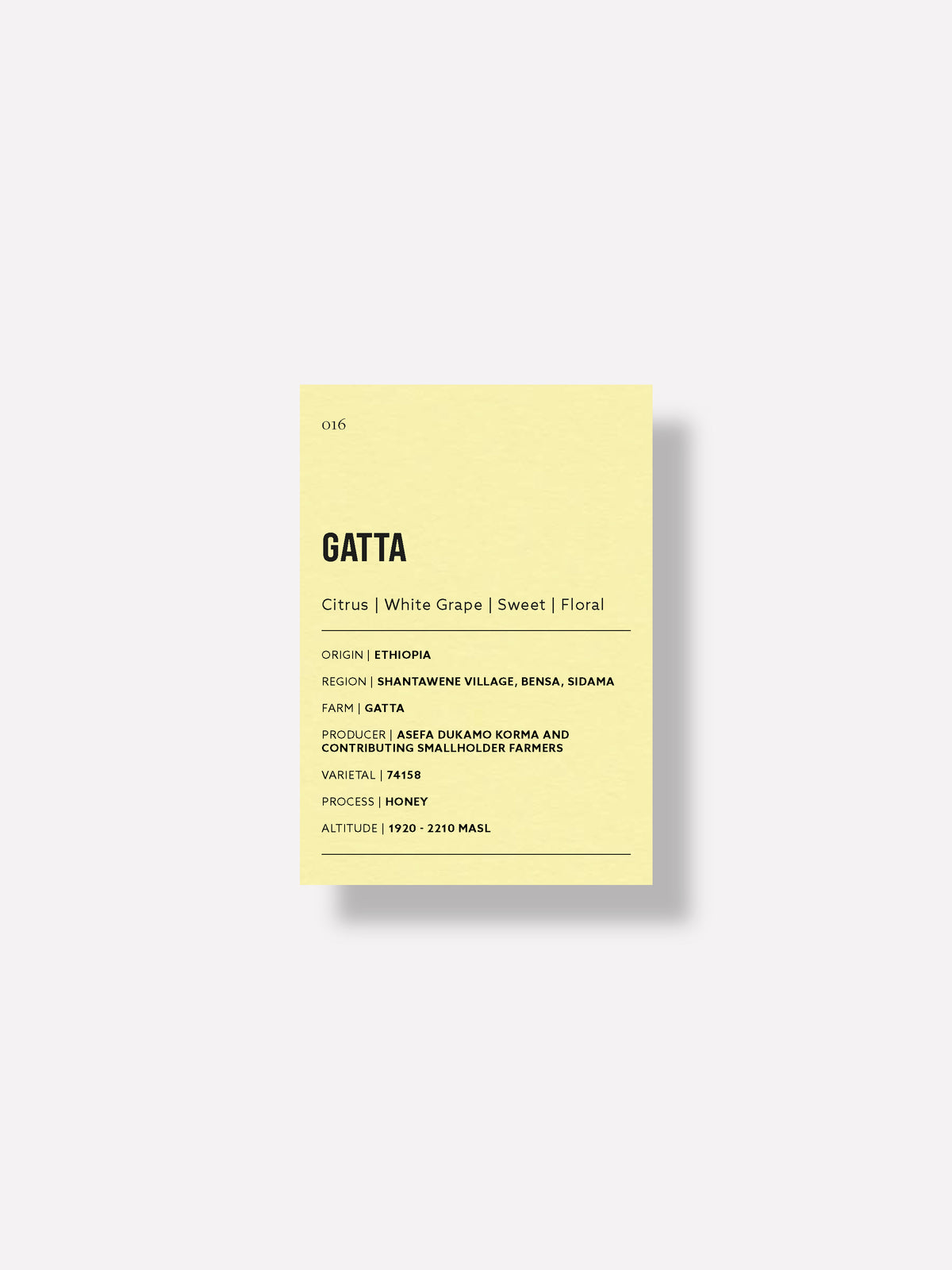
Citrus · White Grape · Sweet · Floral

OriginEthiopia
ProcessHoney
Gatta is one of those coffees that feels immediately alive in the cup. Produced in the high forests of Shantawene in Bensa, Sidama, this honey-processed lot brings together the sweetness and texture of the process with the floral clarity and brightness Ethiopia does so well. The result is a coffee that feels vibrant, elegant, and full of energy, with citrus lift, white grape sweetness, and a soft floral finish.
Size
Select Grind

01 / PLACE

Shantawene Village, Bensa, Sidama

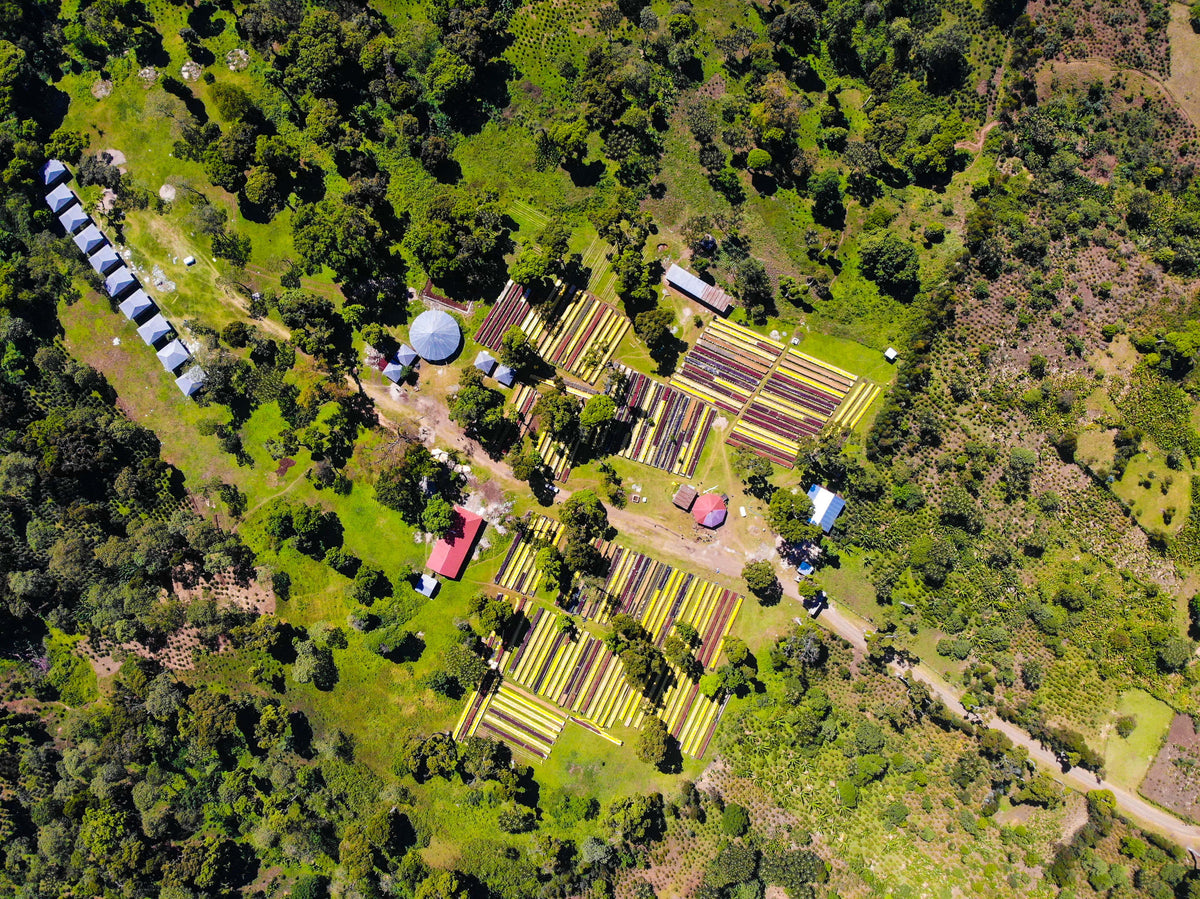
Gatta Farm sits in Shantawene Village, Bensa, among natural forest, indigenous trees, rivers and waterfalls. The farm takes its name from a waterfall that crosses the site.

REGIONShantawene Village, Bensa, Sidama
ALTITUDE1920 - 2210 MASL
COUNTRYEthiopia

02 / PRODUCER

Asefa Dukamo Korma and Contributing Smallholder Farmers

Daye Bensa was founded by brothers Assefa and Mulugeta Dukamo, producers from the Bensa area of Sidama who have spent more than two decades building one of Ethiopia’s leading coffee export businesses. Today, they work with coffee from their own farms as well as affiliated growers across the region, while maintaining a strong focus on specialty production.

This lot comes from Gatta Farm, the heart of Daye Bensa’s dedicated specialty programme. The site sits in Shantawene Village, Bensa, at high elevation among natural forest, indigenous trees, rivers, and waterfalls. Gatta itself takes its name from a waterfall that crosses the farm. The land was originally natural forest, later identified for coffee by Mulugeta Dukamo during the construction of the nearby Gafisse Station. The first coffee plantings began in 2013, followed by the establishment of a drying station in 2017 once the trees had matured.

The surrounding vegetation is not incidental to the story of the coffee — it provides natural shade across both the farm and drying areas, helping shape the slower, more protected environment in which the coffee grows and dries. Plantation, harvesting, and processing are largely carried out by local residents, linking the work at Gatta closely to the surrounding community.

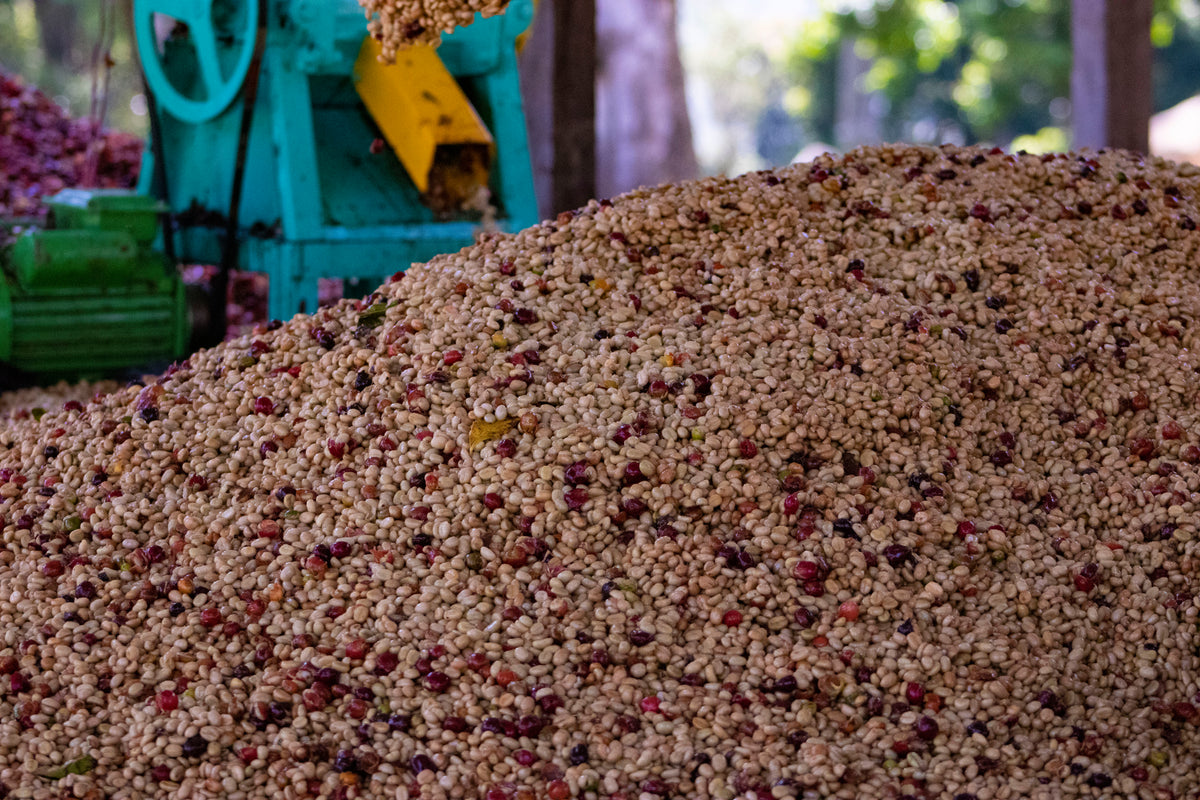
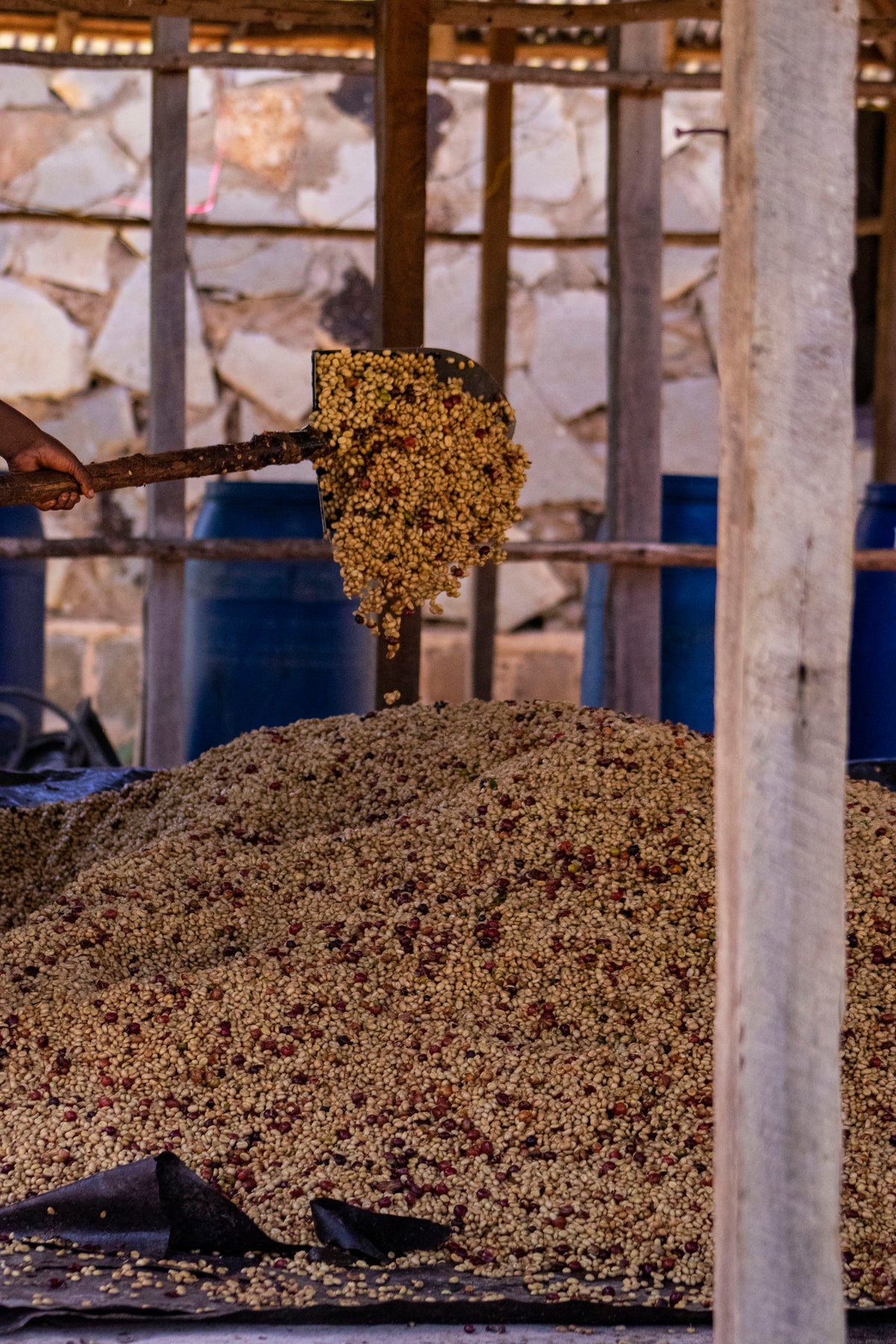
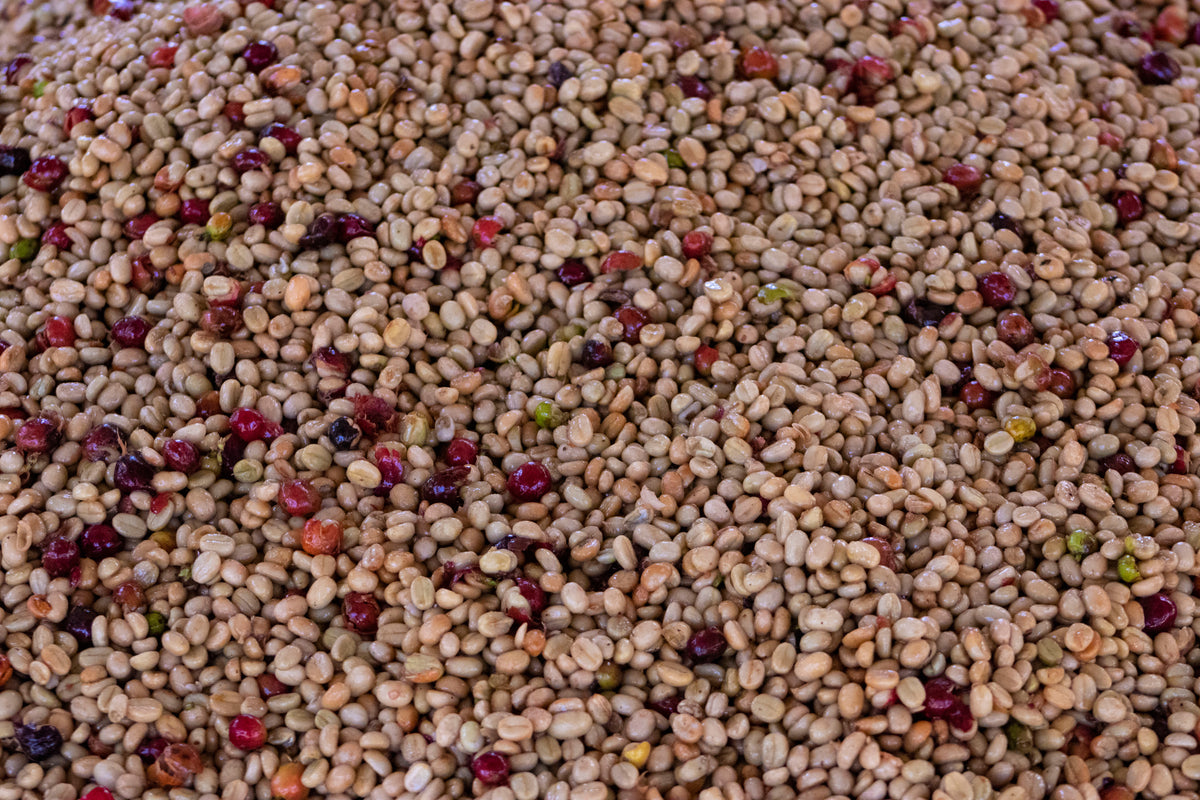
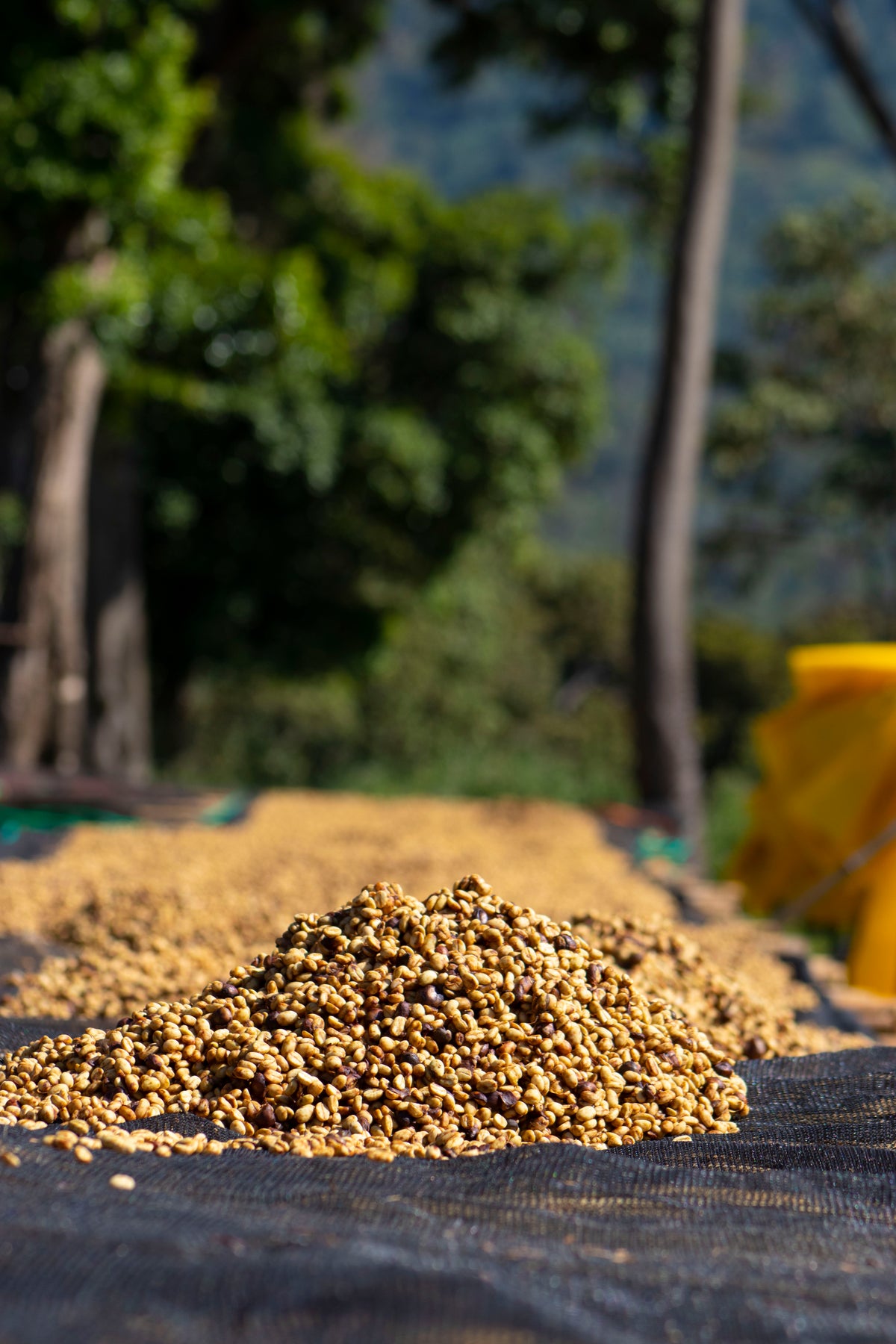
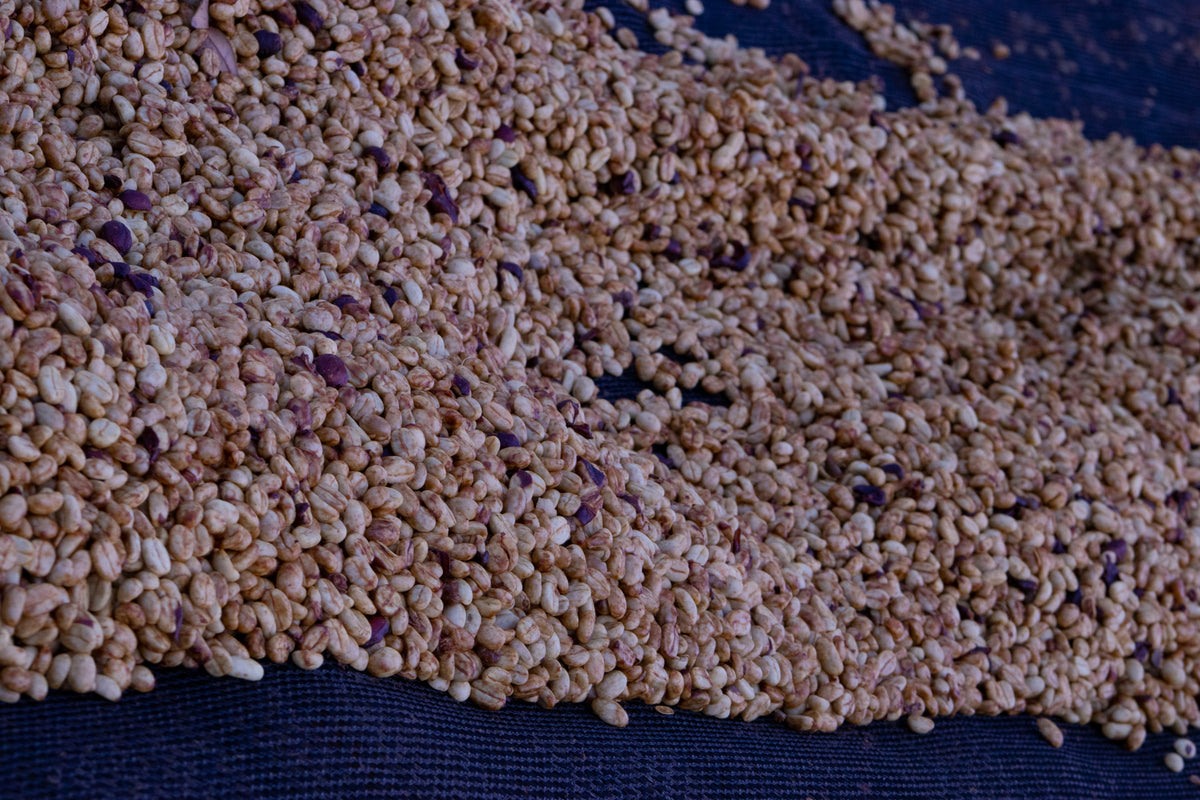
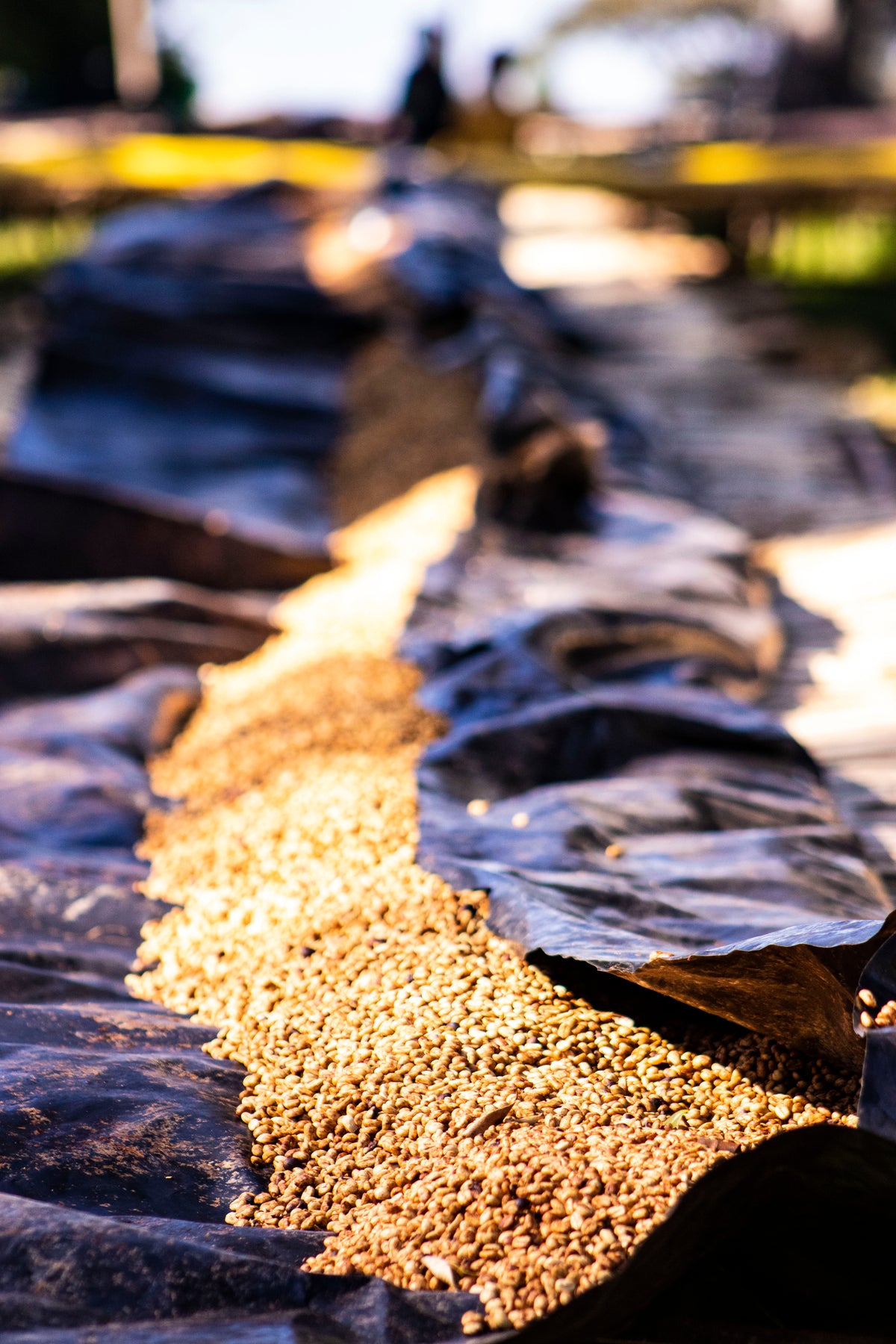
For this honey-processed lot, ripe cherries are pulped, with varying amounts of mucilage left intact before the coffee is transferred to raised beds for drying. That processing choice is a big part of what makes the cup so compelling: it carries some of the sweetness and fruit weight often associated with natural lots, while retaining a cleaner, more floral clarity.

PRODUCERAsefa Dukamo Korma and Contributing Smallholder Farmers
FARMGatta
REGIONShantawene Village, Bensa, Sidama

03 / VARIETAL

74158

This lot is a honey-processed 74158 from Gatta Farm in Shantawene Village, Bensa.

VARIETAL74158
IN THE CUPCitrus · White Grape · Sweet · Floral

04 / PROCESS

Honey

For this honey-processed lot, ripe cherries are pulped with varying amounts of mucilage left intact, then transferred to raised beds for drying. This brings sweetness and fruit weight while retaining a cleaner, more floral clarity.

PROCESSHoney
INTENTSweetness · fruit depth · floral clarity

05 / In the cup

From the cupping table.

Aroma
Soft florals
Sweetness
White grape sweetness
Acidity
Lively citrus brightness
Body
Gentle syrupy texture
Finish
Soft floral finish

Our tasting observations—a starting point for your own exploration.

Explore our tasting wheel
BREWING

Make it yours.

Baseline recipes for your daily brew. Choose a method for what you’ll need and a simple guide, then adjust for your equipment, water and taste.

The baseline

Filter

A balanced starting point for V60, Orea and other paper-filter brewers. Adjust your grind to suit the brewer and the coffee.

Dose
15 g
Water
250 g
Grind
Medium-fine
Temperature
90°C
Time
Around 3 minutes

What you’ll need

Step by step

  1. Rinse the paper with hot water, discard the rinse water and add 15 g of ground coffee. Level the bed and tare your scales.
  2. 0:00 — Start the timer and pour to 50 g. Let the coffee bloom.
  3. 0:45 — Pour gently to 150 g total.
  4. 1:30 — Pour to 250 g total. Let the water drain through.
  5. Aim to finish around 3:00. Swirl the brewed coffee and serve.

Adjust to taste

If it tastes sharp or thin, try a slightly finer grind. If it tastes dry or bitter, try slightly coarser. Drawdown varies between brewers.

The baseline

AeroPress

A simple immersion brew with a gentle press. This upright version uses our baseline dose, water and timing.

Dose
14 g
Water
210 g
Grind
Medium
Temperature
94°C
Time
2 minutes, then press

What you’ll need

Step by step

  1. Place a paper filter in the cap and rinse it. Attach the cap to the chamber and stand it upright on a sturdy mug. Add 14 g of coffee.
  2. 0:00 — Add 210 g of water. Insert the plunger just enough to make a seal and leave to steep.
  3. 1:45 — Hold the chamber securely, remove the plunger and stir six times. Reinsert the plunger gently.
  4. 2:00 — Press slowly and steadily into the mug. Stop if you feel strong resistance; do not force it.

Adjust to taste

Try a slightly finer grind for more extraction, or slightly coarser for an easier press. Keep the brewer upright and supported throughout.

The baseline

Espresso

An initial dial-in recipe for a balanced espresso. Use taste to refine the grind and yield for your machine and basket.

Dose
18 g
Yield
36 g
Ratio
1:2
Grind
Fine
Temperature
92–94°C
Time
28–32 seconds

What you’ll need

Step by step

  1. Warm your machine and portafilter. Dry the basket and grind 18 g of coffee into it.
  2. Distribute the grounds evenly and tamp level. Place your cup on the scales and tare.
  3. Start the shot and timer together. Aim for 36 g in the cup in 28–32 seconds.
  4. Stir and taste. Change one variable at a time before pulling another shot.

Adjust to taste

If the shot runs too quickly, grind finer; if too slowly, grind coarser. Treat time as a guide and let taste decide the final yield.

The baseline

Iced filter

Brew directly over ice for a bright, chilled filter coffee. The ice is part of the total brewing water.

Dose
15 g
Water
165 g hot water
Ice
85 g
Grind
Medium-fine, slightly finer than hot filter
Temperature
94°C
Time
Around 2½ minutes

What you’ll need

Step by step

  1. Rinse the paper and discard the rinse water. Put 85 g of ice in the carafe and place the brewer above it. Add 15 g of coffee and tare the scales.
  2. 0:00 — Pour to 50 g of hot water.
  3. 0:30 — Pour to 115 g total hot water.
  4. 1:30 — Pour to 165 g total hot water.
  5. Aim to finish filtering around 2:30. Swirl the carafe to melt the remaining ice and serve.

Adjust to taste

The recipe uses 250 g of water in total, including the ice. Try a slightly finer grind if the coffee tastes weak or sharp.

The baseline

French press

A patient immersion brew for a rounded, full cup. Give the grounds time to settle before serving.

Dose
20 g
Water
300 g
Grind
Coarse
Temperature
94°C
Time
8 minutes

What you’ll need

Step by step

  1. Add 20 g of coarsely ground coffee to the French press.
  2. 0:00 — Add 300 g of water, wetting all the grounds. Leave to steep.
  3. 4:00 — Break the crust and stir gently. Let the grounds settle for another four minutes.
  4. 8:00 — Lower the plunger slowly without forcing it, then pour gently and serve.

Adjust to taste

Pour gently to leave the sediment behind. Adjust the grind slightly finer for more extraction, or coarser if the cup tastes dry.

The baseline

Cold brew

A slow, cool extraction for a smooth coffee served over ice. Start here, then dilute to your preferred strength.

Dose
50 g
Water
500 g
Ratio
1:10
Grind
Coarse
Temperature
Room temperature or chilled
Time
12–16 hours

What you’ll need

Step by step

  1. Add 50 g of coarsely ground coffee and 500 g of water to your brewing vessel.
  2. Stir to wet all the coffee, then cover.
  3. Leave to steep for 12–16 hours at room temperature or in the fridge.
  4. Filter through a fine-mesh strainer or paper filter. Refrigerate the finished brew.
  5. Serve over ice and add water to taste.

Adjust to taste

If it tastes too strong, dilute the finished brew. Adjust the steeping time for your next batch to find the balance you prefer.

The baseline

Cupping

A simple way to explore coffee as it cools. Notice aroma, sweetness, acidity, body and finish, without assigning scores.

Dose
8.25 g
Water
150 g
Grind
Medium-coarse
Temperature
93°C
Time
4-minute steep; taste at 8–12 minutes

What you’ll need

Step by step

  1. Grind 8.25 g of coffee shortly before brewing and add it to the bowl. Smell the dry grounds and notice their fragrance.
  2. 0:00 — Add 150 g of water in one continuous pour, wetting all the grounds. Leave for four minutes.
  3. 4:00 — Break the crust gently with your spoon while noticing the aroma. Skim any floating grounds and foam.
  4. At around 8–12 minutes, once comfortably cool, taste with a spoon.
  5. Taste again as the coffee cools. Describe the aroma, sweetness, acidity, body and finish in your own words.

Adjust to taste

Use the same dose, water and timing when comparing coffees. Your observations can change as the cup cools.