Aipecito Decaf
Aipecito Decaf
Aipecito Decaf
Aipecito Decaf
Aipecito Decaf
Aipecito Decaf
Aipecito Decaf
Aipecito Decaf
Aipecito Decaf
Aipecito Decaf
Aipecito Decaf

Aipecito Decaf

Brown Sugar · Chocolate · Citrus

OriginColombia
ProcessWashed - Sugarcane Decaf
The same place, the same producers and the same commitment to quality, as Aipecito, without the caffeine.

Aipecito Decaf is a sugarcane-decaf from the three farms behind our original Aipecito lot. Rather than treating decaf as a separate or lesser offering, this coffee preserves the identity and traceability of the caffeinated coffee while presenting it in a softer, chocolate-led cup.
Size
Select Grind

01 / PLACE

Aipecito, Neiva, Huila

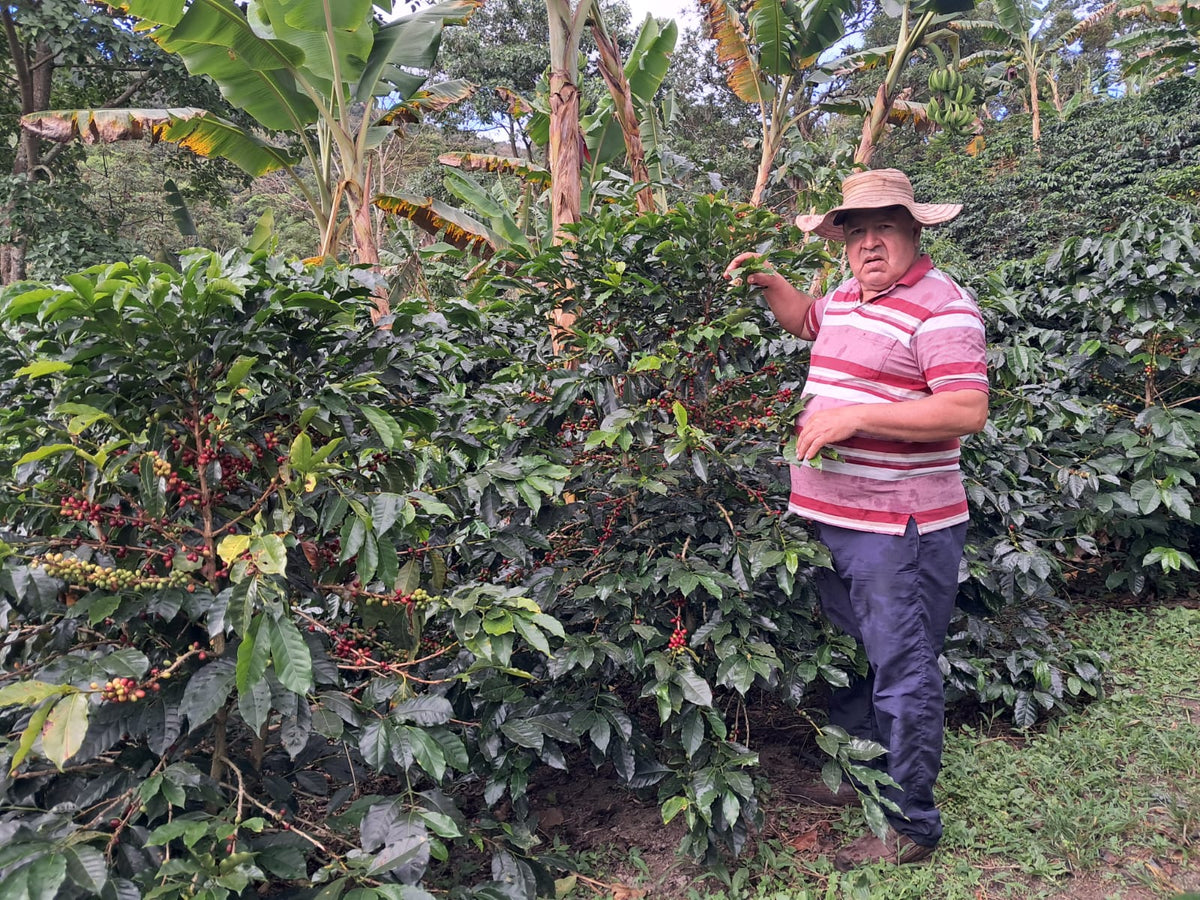
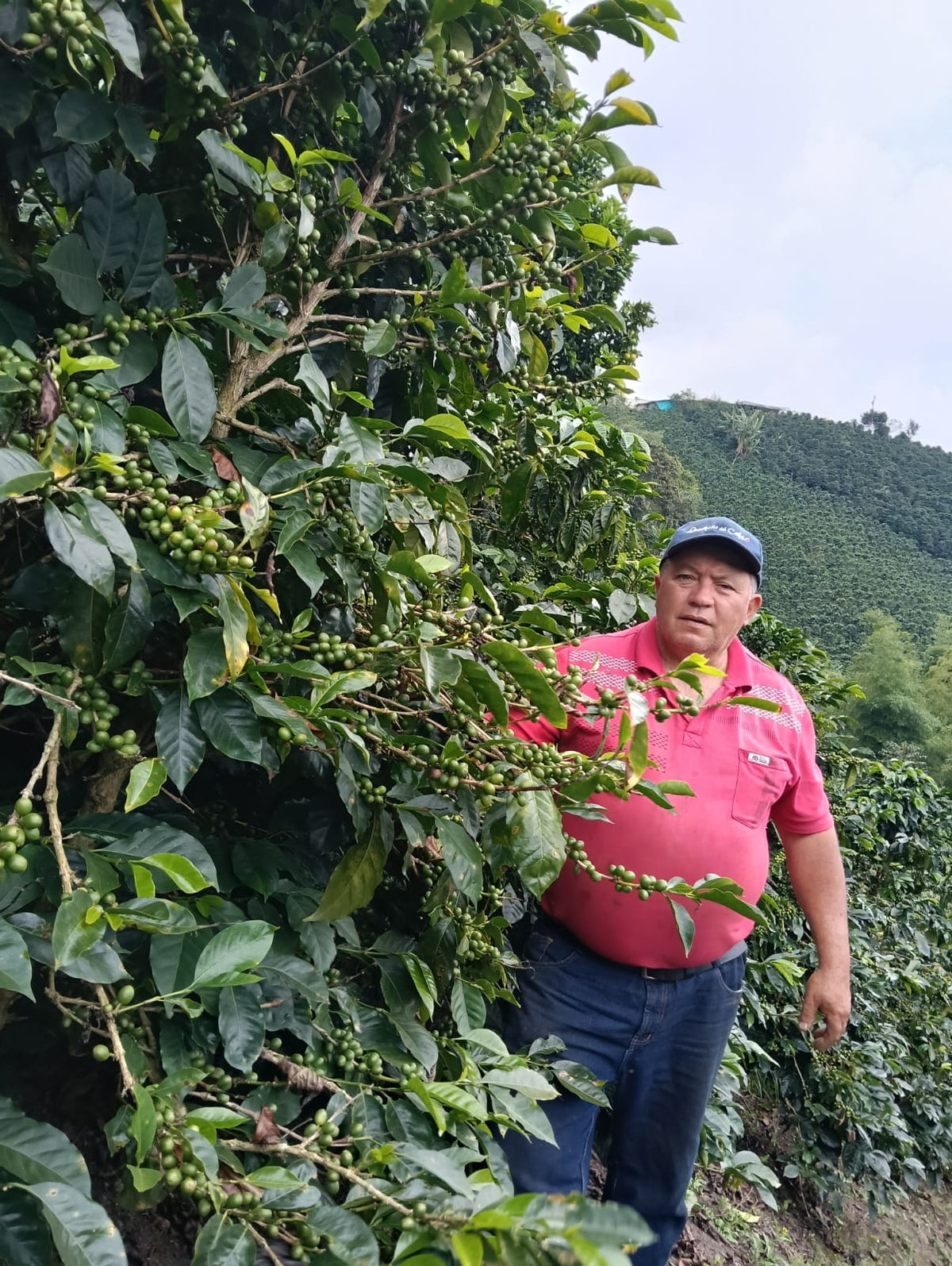
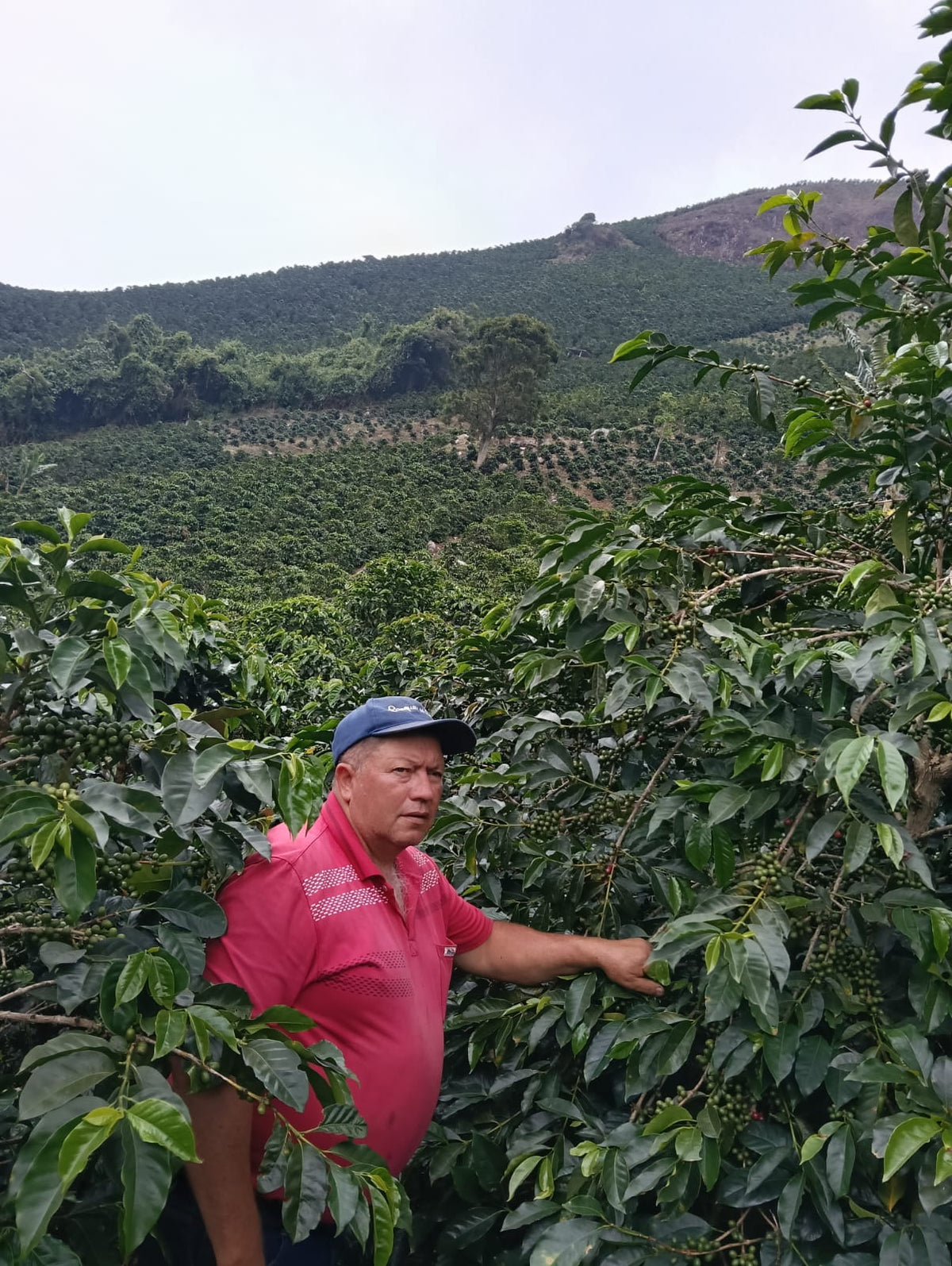
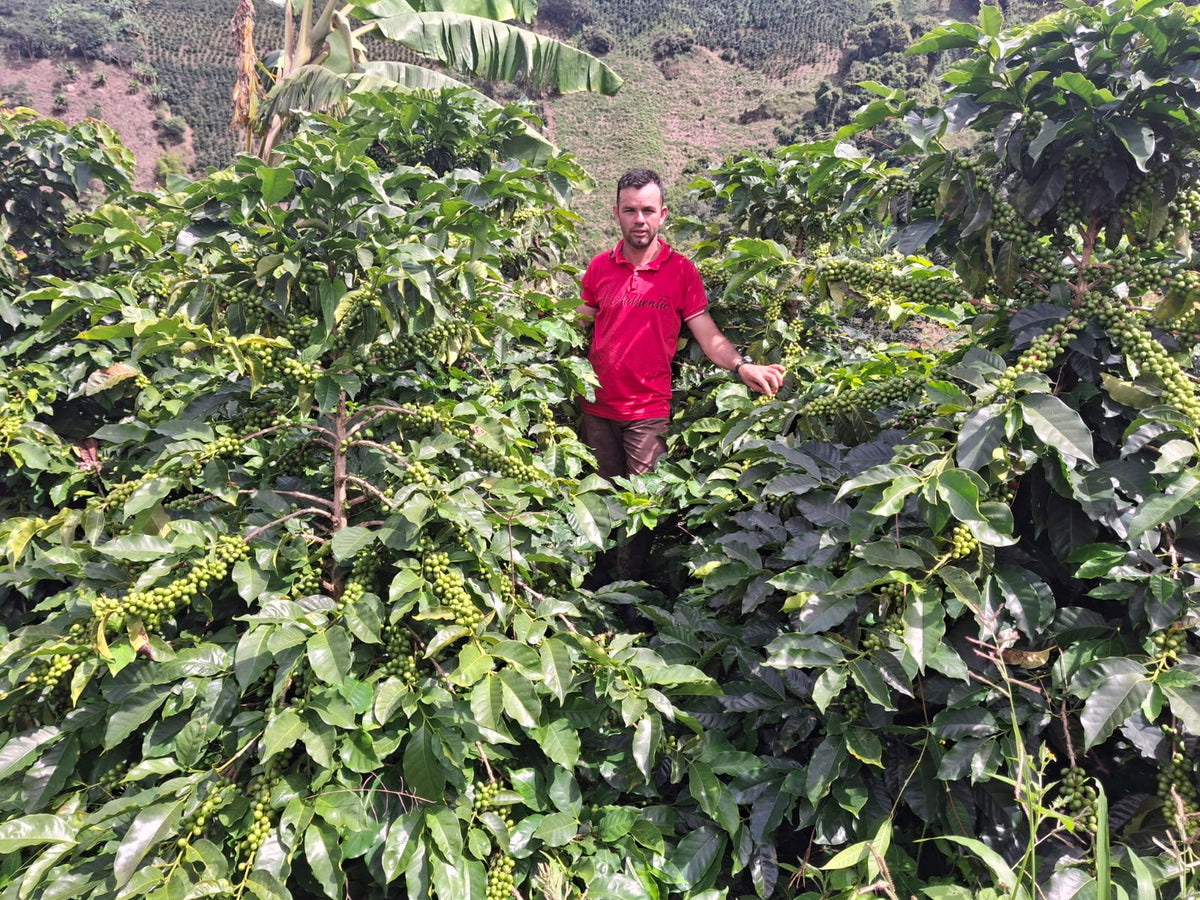
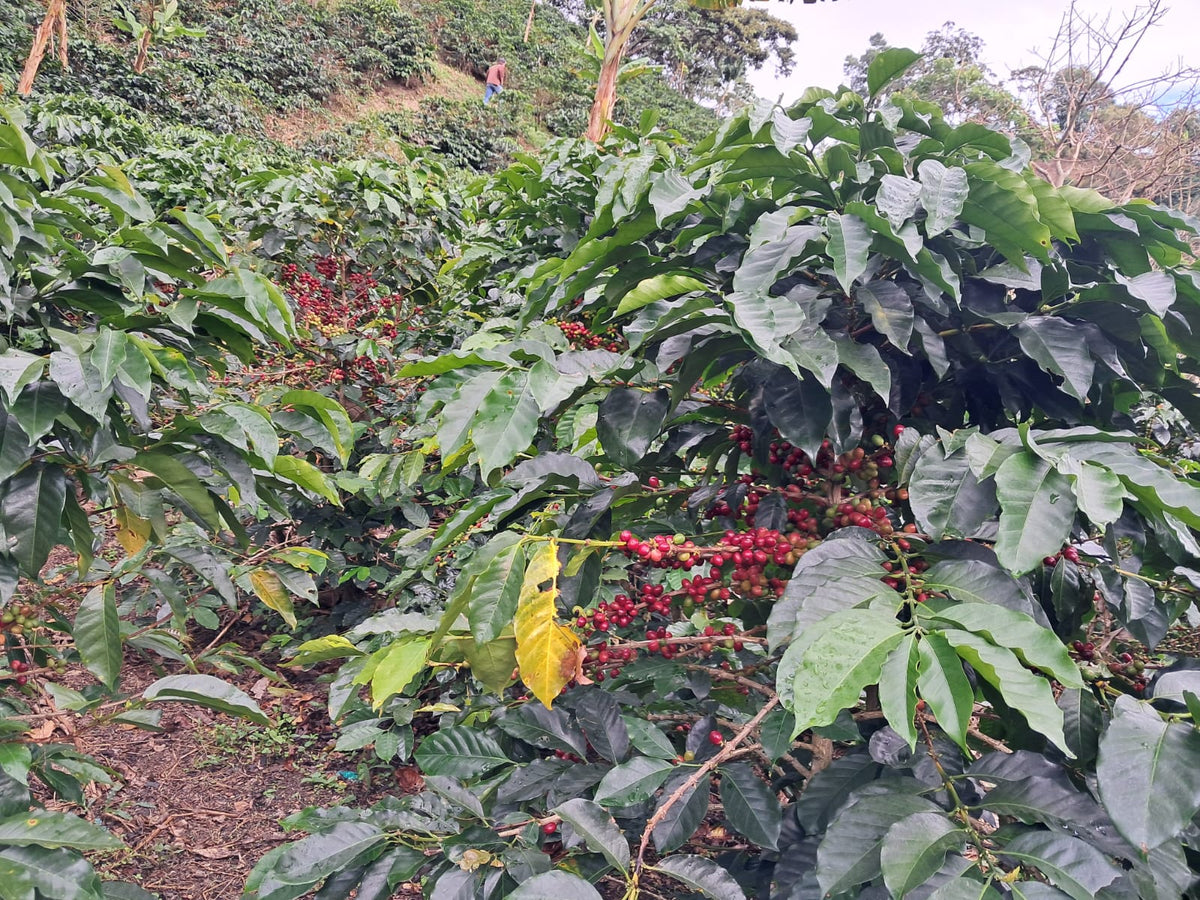
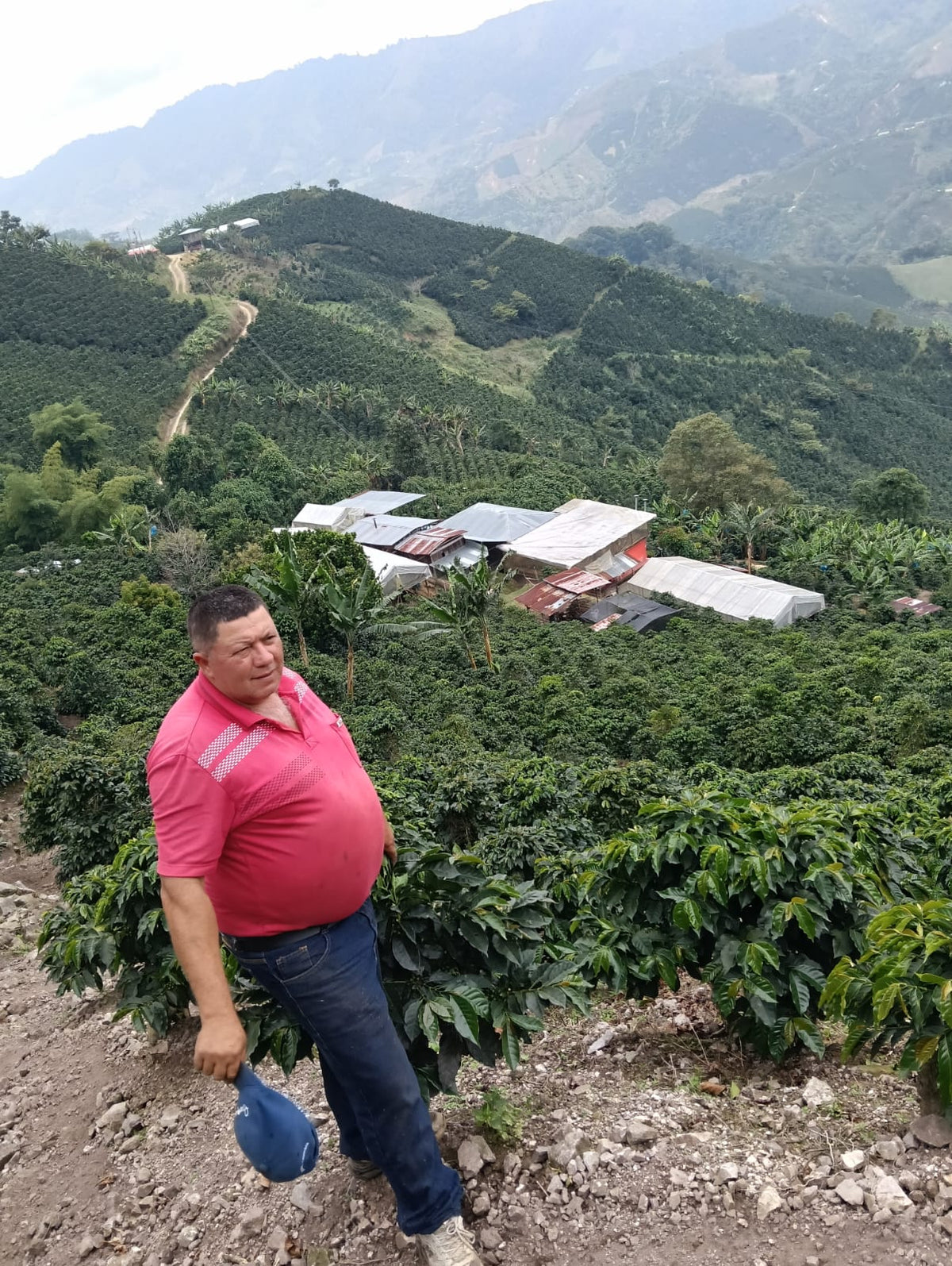
This coffee comes from three farms in Aipecito, near Neiva. Milton Garzón, William Lozada and Hernando Hueje work together to create a regional coffee that reflects their shared landscape and approach to quality.

REGIONAipecito, Neiva, Huila
ALTITUDE1500 - 1650 MASL
COUNTRYColombia

02 / PRODUCER

Milton Garzón, William Lozada, and Hernando Hueje

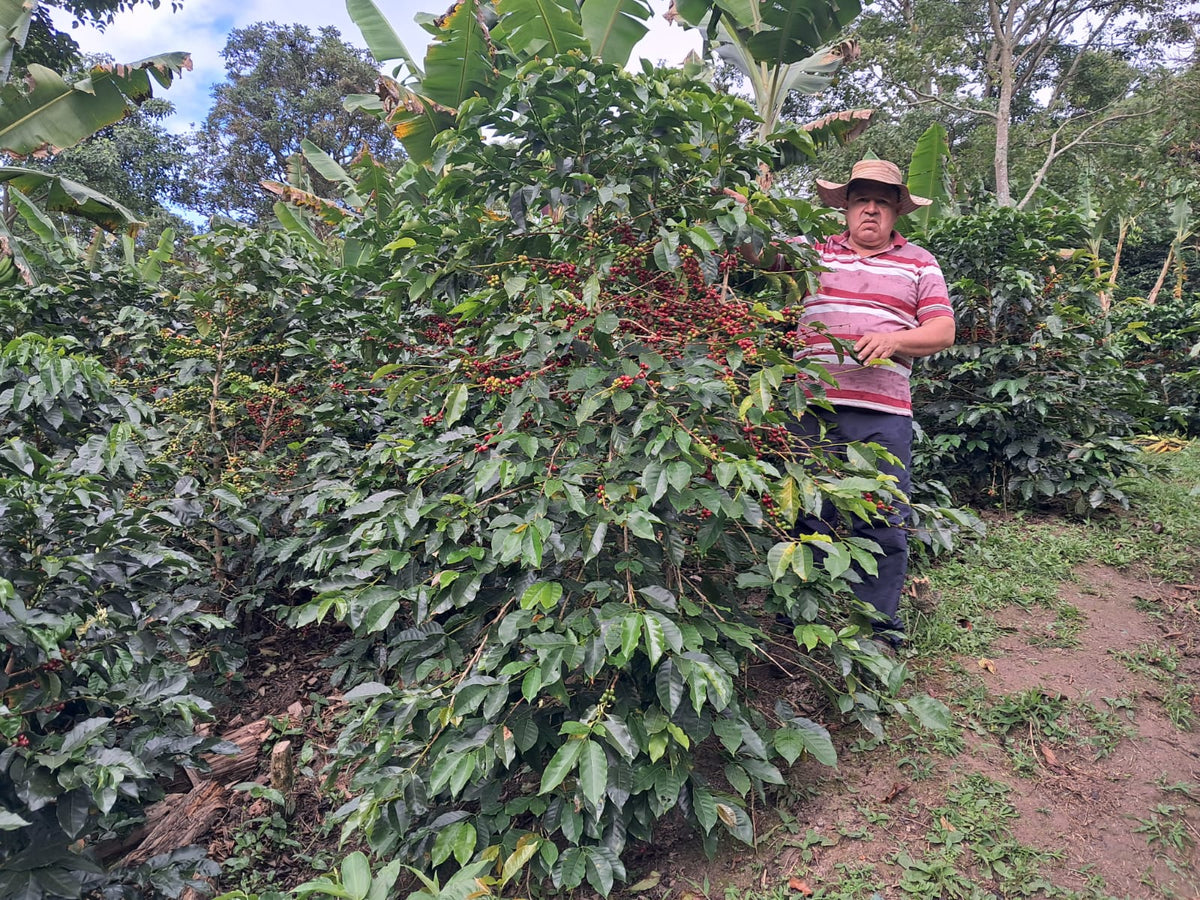
This coffee is produced by Milton Garzón of El Shalon, William Lozada of El Paraíso and Hernando Hueje of La Esmeralda in the village of Aipecito, near Neiva.

The three growers work together to create a regional coffee that reflects their shared landscape and approach to quality. The decaffeinated version comes from the same origin and producers as Aipecito, allowing the character of the original coffee to remain recognisable after processing.

After washing, the coffee is decaffeinated using the sugarcane process. The intention is simple: to retain as much sweetness, structure and regional identity as possible while removing the caffeine.

PRODUCERMilton Garzón, William Lozada, and Hernando Hueje
FARMEl Shalon, El Paraiso, and La Esmerelda
REGIONAipecito, Neiva, Huila

03 / VARIETAL

Castillo, Colombia

The farms behind Aipecito grow Castillo and Colombia varieties and work together to create a regional coffee shaped by their shared landscape and approach to quality.

VARIETALCastillo, Colombia
IN THE CUPBrown Sugar · Chocolate · Citrus

04 / PROCESS

Washed - Sugarcane Decaf

After washing, the coffee is decaffeinated using the sugarcane process. The aim is to retain sweetness, structure and regional identity while removing the caffeine.

PROCESSWashed - Sugarcane Decaf
INTENTSweetness · structure · regional identity

05 / In the cup

From the cupping table.

Sweetness
Brown sugar and milk chocolate
Acidity
A subtle lemongrass quality keeps the cup fresh
Body
Sweet and rounded
Finish
Soft, clean and gently fruit-led

Our tasting observations—a starting point for your own exploration.

Explore our tasting wheel
BREWING

Make it yours.

Baseline recipes for your daily brew. Choose a method for what you’ll need and a simple guide, then adjust for your equipment, water and taste.

The baseline

Filter

A balanced starting point for V60, Orea and other paper-filter brewers. Adjust your grind to suit the brewer and the coffee.

Dose
15 g
Water
250 g
Grind
Medium-fine
Temperature
90°C
Time
Around 3 minutes

What you’ll need

Step by step

  1. Rinse the paper with hot water, discard the rinse water and add 15 g of ground coffee. Level the bed and tare your scales.
  2. 0:00 — Start the timer and pour to 50 g. Let the coffee bloom.
  3. 0:45 — Pour gently to 150 g total.
  4. 1:30 — Pour to 250 g total. Let the water drain through.
  5. Aim to finish around 3:00. Swirl the brewed coffee and serve.

Adjust to taste

If it tastes sharp or thin, try a slightly finer grind. If it tastes dry or bitter, try slightly coarser. Drawdown varies between brewers.

The baseline

AeroPress

A simple immersion brew with a gentle press. This upright version uses our baseline dose, water and timing.

Dose
14 g
Water
210 g
Grind
Medium
Temperature
94°C
Time
2 minutes, then press

What you’ll need

Step by step

  1. Place a paper filter in the cap and rinse it. Attach the cap to the chamber and stand it upright on a sturdy mug. Add 14 g of coffee.
  2. 0:00 — Add 210 g of water. Insert the plunger just enough to make a seal and leave to steep.
  3. 1:45 — Hold the chamber securely, remove the plunger and stir six times. Reinsert the plunger gently.
  4. 2:00 — Press slowly and steadily into the mug. Stop if you feel strong resistance; do not force it.

Adjust to taste

Try a slightly finer grind for more extraction, or slightly coarser for an easier press. Keep the brewer upright and supported throughout.

The baseline

Espresso

An initial dial-in recipe for a balanced espresso. Use taste to refine the grind and yield for your machine and basket.

Dose
18g
Yield
36g
Ratio
1:2
Grind
1.1
Temperature
92-94°C
Time
25-27 secs

What you’ll need

Step by step

  1. Warm your machine and portafilter. Dry the basket and grind 18g of coffee into it.
  2. Distribute the grounds evenly and tamp level. Place your cup on the scales and tare.
  3. Start the shot and timer together. Aim for 36g in the cup in 25-27 secs.
  4. Stir and taste. Change one variable at a time before pulling another shot.

Adjust to taste

If the shot runs too quickly, grind finer; if too slowly, grind coarser. Treat time as a guide and let taste decide the final yield.

The baseline

Iced filter

Brew directly over ice for a bright, chilled filter coffee. The ice is part of the total brewing water.

Dose
15 g
Water
165 g hot water
Ice
85 g
Grind
Medium-fine, slightly finer than hot filter
Temperature
94°C
Time
Around 2½ minutes

What you’ll need

Step by step

  1. Rinse the paper and discard the rinse water. Put 85 g of ice in the carafe and place the brewer above it. Add 15 g of coffee and tare the scales.
  2. 0:00 — Pour to 50 g of hot water.
  3. 0:30 — Pour to 115 g total hot water.
  4. 1:30 — Pour to 165 g total hot water.
  5. Aim to finish filtering around 2:30. Swirl the carafe to melt the remaining ice and serve.

Adjust to taste

The recipe uses 250 g of water in total, including the ice. Try a slightly finer grind if the coffee tastes weak or sharp.

The baseline

French press

A patient immersion brew for a rounded, full cup. Give the grounds time to settle before serving.

Dose
20 g
Water
300 g
Grind
Coarse
Temperature
94°C
Time
8 minutes

What you’ll need

Step by step

  1. Add 20 g of coarsely ground coffee to the French press.
  2. 0:00 — Add 300 g of water, wetting all the grounds. Leave to steep.
  3. 4:00 — Break the crust and stir gently. Let the grounds settle for another four minutes.
  4. 8:00 — Lower the plunger slowly without forcing it, then pour gently and serve.

Adjust to taste

Pour gently to leave the sediment behind. Adjust the grind slightly finer for more extraction, or coarser if the cup tastes dry.

The baseline

Cold brew

A slow, cool extraction for a smooth coffee served over ice. Start here, then dilute to your preferred strength.

Dose
50 g
Water
500 g
Ratio
1:10
Grind
Coarse
Temperature
Room temperature or chilled
Time
12–16 hours

What you’ll need

Step by step

  1. Add 50 g of coarsely ground coffee and 500 g of water to your brewing vessel.
  2. Stir to wet all the coffee, then cover.
  3. Leave to steep for 12–16 hours at room temperature or in the fridge.
  4. Filter through a fine-mesh strainer or paper filter. Refrigerate the finished brew.
  5. Serve over ice and add water to taste.

Adjust to taste

If it tastes too strong, dilute the finished brew. Adjust the steeping time for your next batch to find the balance you prefer.

The baseline

Cupping

A simple way to explore coffee as it cools. Notice aroma, sweetness, acidity, body and finish, without assigning scores.

Dose
8.25 g
Water
150 g
Grind
Medium-coarse
Temperature
93°C
Time
4-minute steep; taste at 8–12 minutes

What you’ll need

Step by step

  1. Grind 8.25 g of coffee shortly before brewing and add it to the bowl. Smell the dry grounds and notice their fragrance.
  2. 0:00 — Add 150 g of water in one continuous pour, wetting all the grounds. Leave for four minutes.
  3. 4:00 — Break the crust gently with your spoon while noticing the aroma. Skim any floating grounds and foam.
  4. At around 8–12 minutes, once comfortably cool, taste with a spoon.
  5. Taste again as the coffee cools. Describe the aroma, sweetness, acidity, body and finish in your own words.

Adjust to taste

Use the same dose, water and timing when comparing coffees. Your observations can change as the cup cools.